
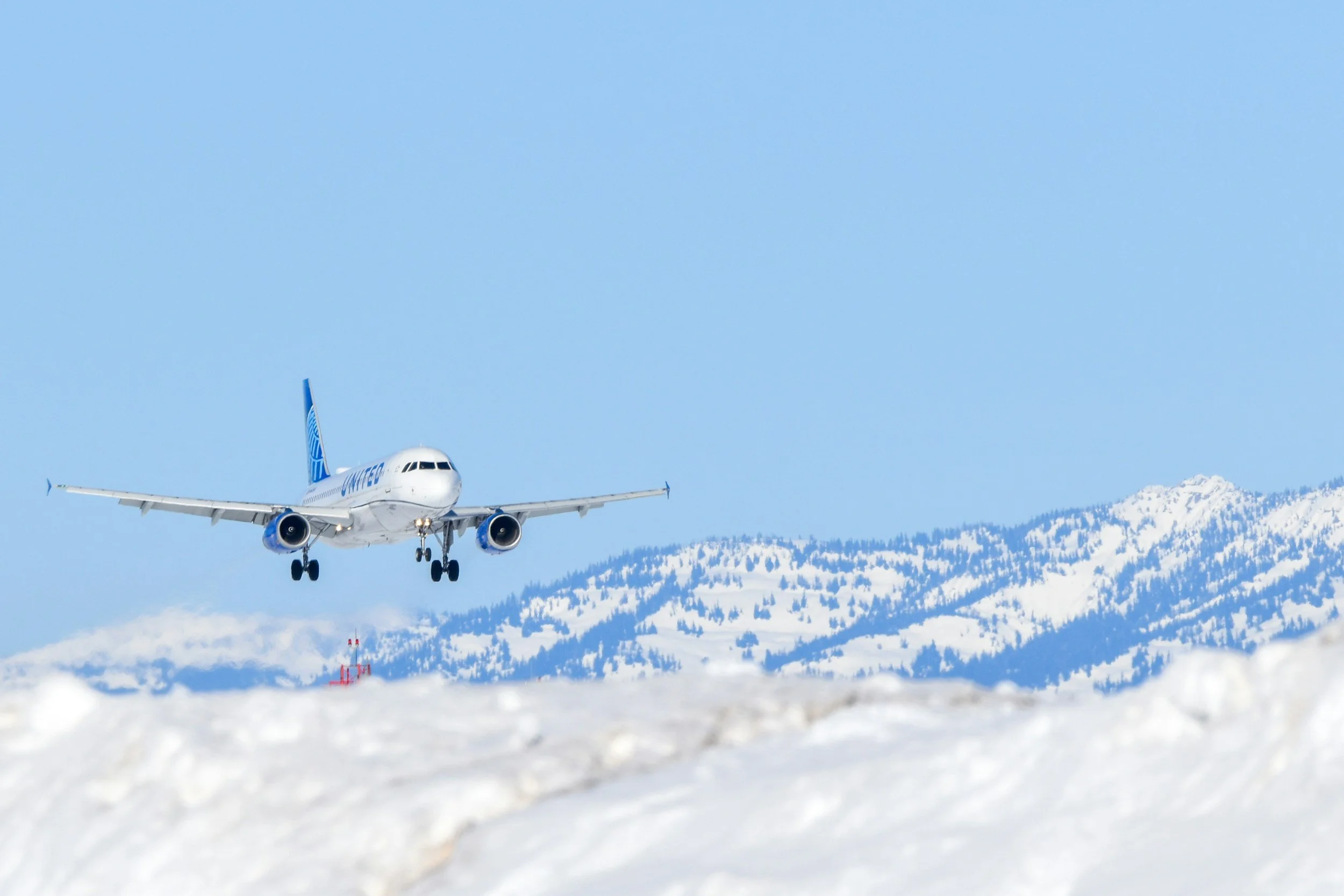
Private jet deicing in winter is the removal of frost, ice, snow or slush from an aircraft before takeoff. It is needed when frozen deposits on critical surfaces could affect the aircraft’s performance or handling. Treatment and any wait for the ground team can move the departure time. If deicing is billed separately, the charter terms determine who pays.
When is private jet deicing in winter needed?
An early departure after a clear night can require deicing just as a departure during snowfall can. Frost can form while an aircraft is parked outside. It can also form on a wing chilled by cold fuel, even when the outside air is above freezing. The crew assesses the aircraft itself and follows the operator’s procedures for that model.
Even a thin layer of frost can change how air flows over a wing, reducing lift and increasing drag. The flight crew determines whether treatment is needed and whether the aircraft is ready for takeoff. Where fluid treatment is required, a trained ground team applies it at the stand or at a designated treatment area, depending on the airport’s setup.
What is the difference between deicing and anti icing?
Deicing removes frost, ice, snow or slush already on the aircraft. Anti icing gives the treated surfaces temporary protection against further accumulation before takeoff. Depending on the conditions and the aircraft, the ground team can perform both functions in one application or use two separate steps.
The estimated protection period is called holdover time. It depends on the fluid used, the temperature and the type and intensity of precipitation. If snowfall intensifies or the aircraft spends longer than planned waiting to depart, the crew may need to recheck the surfaces or request another treatment under the operator’s procedures.
How much time does deicing add to a private jet departure?
There is no fixed allowance. The departure time depends on how quickly a ground team is available, how much of the aircraft needs treatment and what happens between treatment and takeoff. During widespread snowfall, several aircraft may need the same service. Runway clearing and departure sequencing can also add time.
Consider a morning charter from Geneva Airport to London Farnborough. If the aircraft has been parked outside overnight, the crew might find frost during the departure inspection. If snow starts falling while the aircraft is waiting to taxi, the crew may reassess the treatment before takeoff. For a meeting in London, build the itinerary back from the required arrival time and include room for ground treatment and the onward drive.
How much does private jet deicing cost, and who pays?
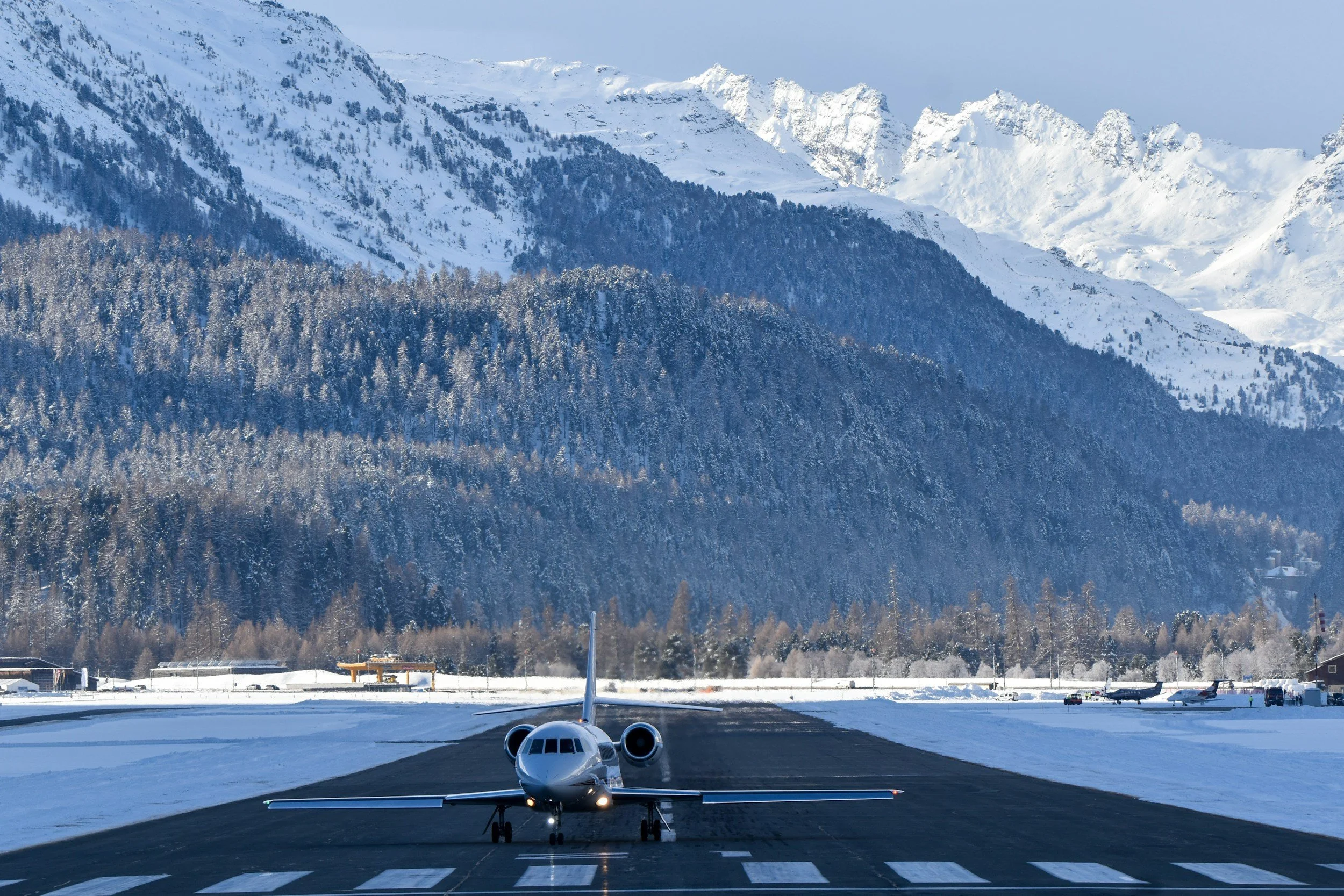
Where deicing is chargeable, the amount can depend on the aircraft, the local provider’s rates, the quantity and type of fluid used, and whether the aircraft needs another application. Pricing varies according to aircraft, airport charges, positioning and seasonal demand.
Ask your broker to confirm in writing whether deicing and anti icing are included in the charter price or charged if used. Check how any additional charge is calculated, whether it applies to each departure and when it will be invoiced. This matters on a return trip because the aircraft may face different conditions at each airport.
Can you plan around deicing?
A hangar can reduce exposure to frost or snow while the aircraft is parked. The crew may still need treatment if precipitation is falling after the aircraft comes out. For an early departure, ask whether overnight hangar space is available and how the operator plans to arrange treatment if it is needed.
For a trip to the Swiss Alps by private jet, consider the departure and return airports alongside the road transfer. If you are weighing two airports, ask your broker to compare ground treatment availability around your planned departure time, the forecast and the drive to your destination. The airport closest to the resort can still be the right choice if it works for the aircraft and the schedule.
Frequently asked questions
Do all private jets need deicing in winter?
Light, midsize and large jets can all require ground deicing. The need depends on the condition of the aircraft’s surfaces, the weather and the procedures for that aircraft model.
Can a private jet need deicing when it is above freezing?
Yes. A wing can remain cold after a previous flight because of the temperature of the fuel inside it. Frost can form on that surface even when the outside air is above freezing.
Can deicing be done with passengers on board?
Passengers may be able to remain on board, depending on the operator’s procedures, the aircraft and the airport setup. The crew will advise when to board and what to expect.
Can a private jet be deiced twice before the same flight?
Yes. Ongoing precipitation or a long delay before takeoff can lead to another inspection or treatment under the operator’s procedures. Ask whether your charter terms account for repeat treatment if it is needed.
Before booking a winter charter with a firm arrival deadline, give your broker the time you need to be at your destination and ask how private jet deicing in winter could affect both the schedule and the quote.